
-

The Real Reason You’re Tired All the Time
The content emphasizes the importance of understanding and addressing chronic fatigue, particularly for women with Type 2 diabetes. It outlines the RE²A²CH cycle for energy restoration, identifying blood sugar swings, adrenal fatigue, and emotional stress as key contributors. Practical strategies include balanced nutrition, gentle movement, and guilt-free rest to promote healing and energy rejuvenation.
-
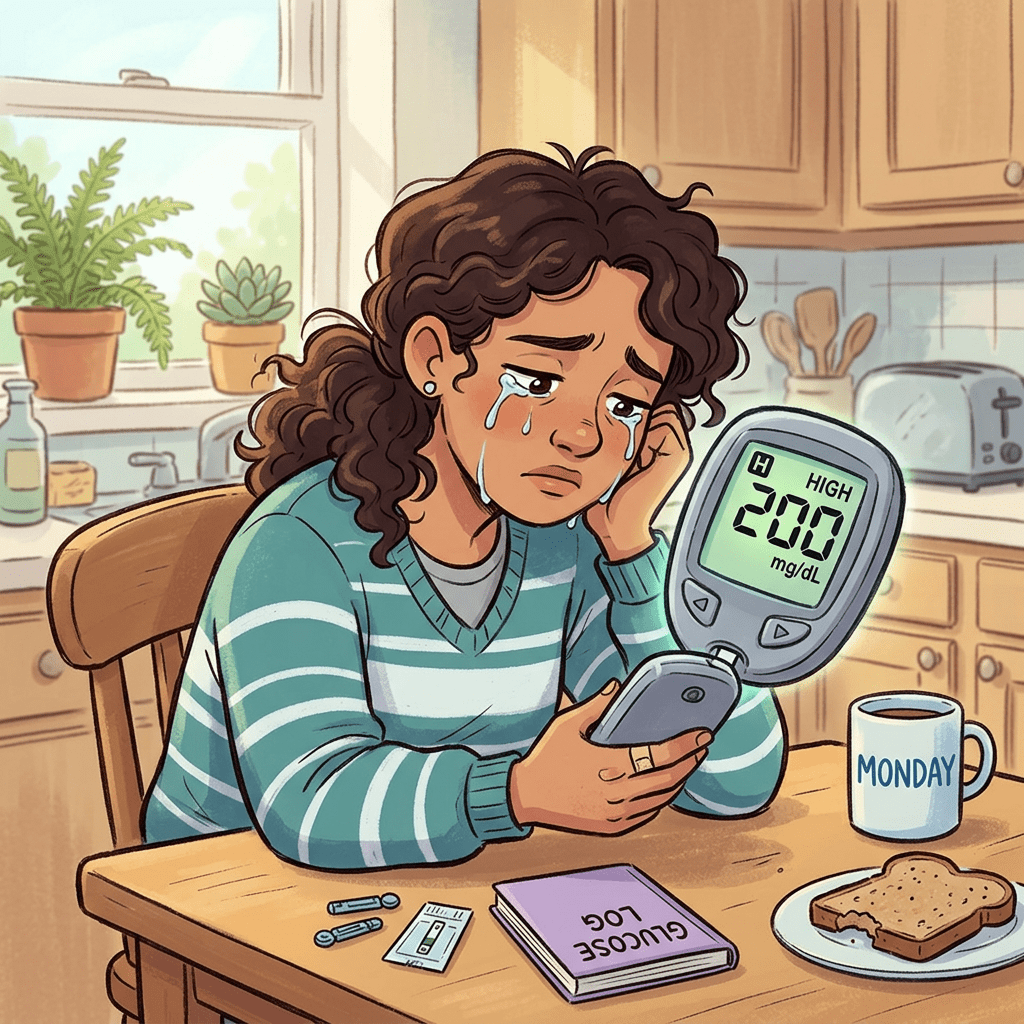
Why Your Morning Glucose Is High
The post discusses the common issue of elevated morning glucose levels in individuals with Type 2 diabetes, which can occur despite not eating. This phenomenon, often linked to the dawn effect, may indicate insulin resistance or stress. Understanding these signs helps in managing diabetes more effectively without shame, promoting awareness and lifestyle adjustments.
-

Can You Reverse Prediabetes? (Short answer: yes… but not by white-knuckling your way through salads.)
Let’s start with the question that’s quietly buzzing in the back of your mind:“Can I actually reverse prediabetes… or is this just the beginning of the end?” Cue the dramatic music. Except—we’re not doing drama today. We’re doing truth. Yes, prediabetes can absolutely be reversed. Not managed. Not “slowed down.” Not politely negotiated with. Reversed.…
-

You can’t think your way out of stress.
Stress is primarily a physiological issue, not just a mindset problem. Elevated cortisol affects decision-making, leading to impulsivity and disrupted sleep. To effectively manage stress, one must focus on resetting the autonomic nervous system through specific techniques. This approach improves regulation, mood, and overall metabolic health by breaking the stress cycle.
-

Willpower is not the problem. Thank goodness!
The article discusses how nervous system regulation affects glucose levels and overall well-being. Stress triggers a survival response, altering heart rate, hormones, and insulin sensitivity. Traditional stress management often fails because it overlooks physiological changes. Effective tools, such as breathing techniques and deep rest, can help reset the nervous system and improve glucose regulation.
-

What Chronic Stress Hijacks
Chronic stress affects over 60 million women in the US, with nearly 27 million experiencing chronic stress. It alters brain function, disrupting decision-making, sleep, and glucose regulation, often leading to Type 2 diabetes. Recognizing chronic stress is crucial, as its impacts can be subtle yet biologically significant, highlighting the need for better management strategies.

