
-
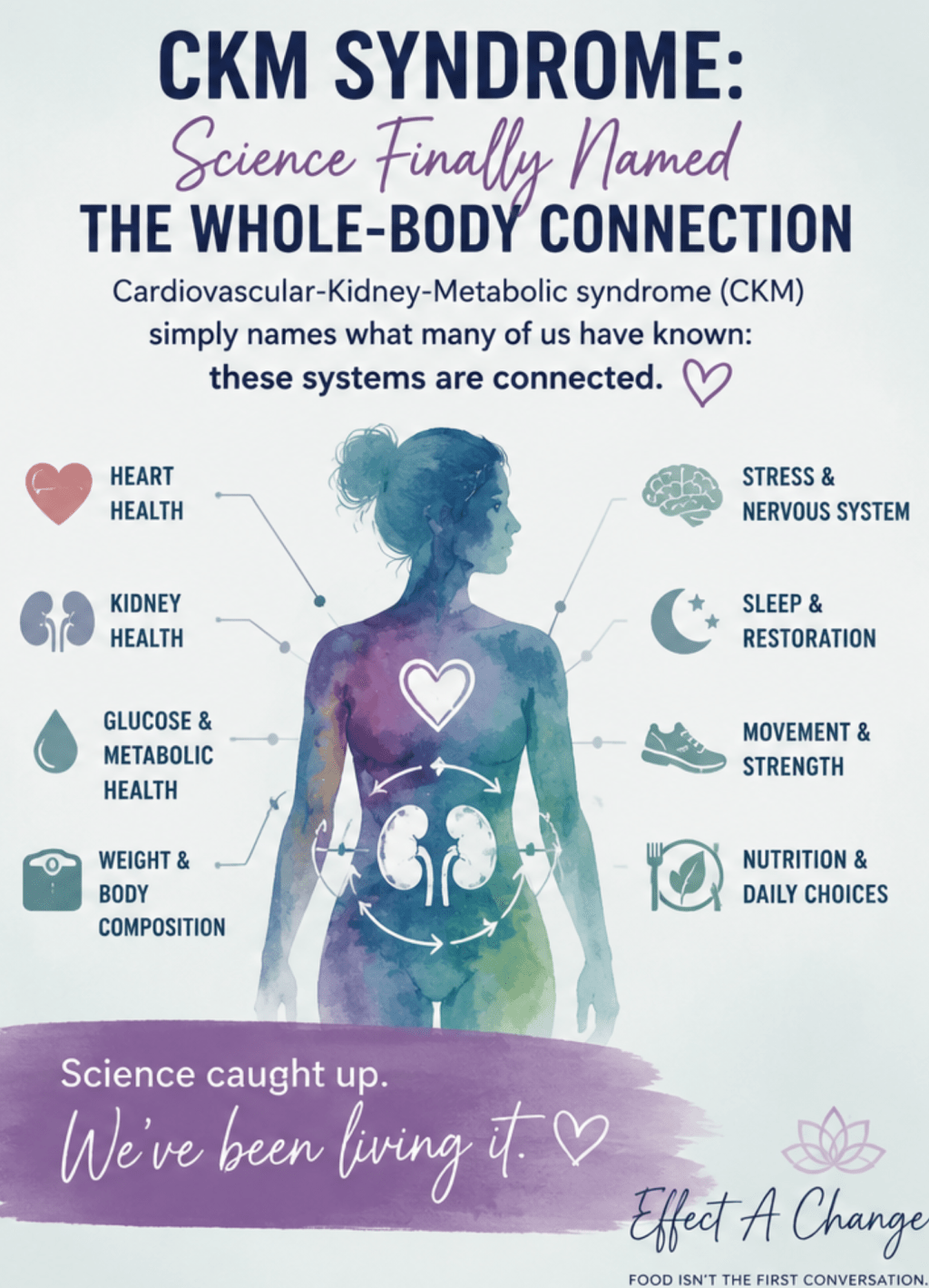
CKM Syndrome: Science Finally Named the Whole-Body Connection
There is a newer term showing up in the health world: CKM syndrome. Sorry right up front. This is long, and I kinda went on a rant! lol CKM stands for cardiovascular-kidney-metabolic syndrome. Translation: the heart, kidneys, glucose, weight, metabolism, blood pressure, and related health patterns are connected. And honestly? Some of us are thinking,…
-

The Real Reason You’re Tired All the Time
The content emphasizes the importance of understanding and addressing chronic fatigue, particularly for women with Type 2 diabetes. It outlines the RE²A²CH cycle for energy restoration, identifying blood sugar swings, adrenal fatigue, and emotional stress as key contributors. Practical strategies include balanced nutrition, gentle movement, and guilt-free rest to promote healing and energy rejuvenation.
-

Why is your diagnosis a gift?
When I say type two diabetes can be a gift, I know that might make some people wanna throw a cucumber at me. Because let’s be honest, nobody opens their lab results and says, “Oh, goody, a spiritual awakening with glucose numbers.” But here’s what I mean. A type two diabetes diagnosis can become the…
-

Grounding and Blood Sugar
Let the Earth Heal You: Spring Grounding Practices This spring, don’t just clean your house — reconnect to your planet. Grounding (also called earthing) isn’t just a hippie buzzword — it’s an evidence-based practice that can help reduce inflammation, improve sleep, and even stabilize blood sugar. Here’s how it works: The Earth carries a negative…
-

You can’t think your way out of stress.
Stress is primarily a physiological issue, not just a mindset problem. Elevated cortisol affects decision-making, leading to impulsivity and disrupted sleep. To effectively manage stress, one must focus on resetting the autonomic nervous system through specific techniques. This approach improves regulation, mood, and overall metabolic health by breaking the stress cycle.
-

Willpower is not the problem. Thank goodness!
The article discusses how nervous system regulation affects glucose levels and overall well-being. Stress triggers a survival response, altering heart rate, hormones, and insulin sensitivity. Traditional stress management often fails because it overlooks physiological changes. Effective tools, such as breathing techniques and deep rest, can help reset the nervous system and improve glucose regulation.

