
-

“Grandma, You Can’t Eat That.”
From the mouths of babes. I recently had an overnight stay with my grandkids, which means snacks, negotiations, mysterious crumbs, very little personal space, and at least one conversation that unexpectedly becomes a life lesson. We ordered pizza. As I picked up a slice, my five-year-old grandson looked at me with genuine concern and said,…
-

Why Can’t I Stick to My Diabetes Diet?
The Answer May Not Be Willpower You know what to do. Drink more water. Move your body. Plan your meals. Get enough sleep. Reduce your stress. Make the “better” choice. You may have started a new diabetes eating plan on Monday feeling focused and determined—only to find yourself tired, overwhelmed or reaching for comfort food…
-

Can Cinnamon Lower Your Blood Sugar?
The Sweet Truth Behind the Latest Blood Sugar Fad Every few months, Facebook finds a new miracle. One week it is a “doctor-approved” gummy. The next week it is a mystery tea. Then suddenly cinnamon is strutting across your feed like it just personally reversed insulin resistance, lowered A1C, cleaned your pantry, paid your bills,…
-

-

The Real Reason You’re Tired All the Time
The content emphasizes the importance of understanding and addressing chronic fatigue, particularly for women with Type 2 diabetes. It outlines the RE²A²CH cycle for energy restoration, identifying blood sugar swings, adrenal fatigue, and emotional stress as key contributors. Practical strategies include balanced nutrition, gentle movement, and guilt-free rest to promote healing and energy rejuvenation.
-
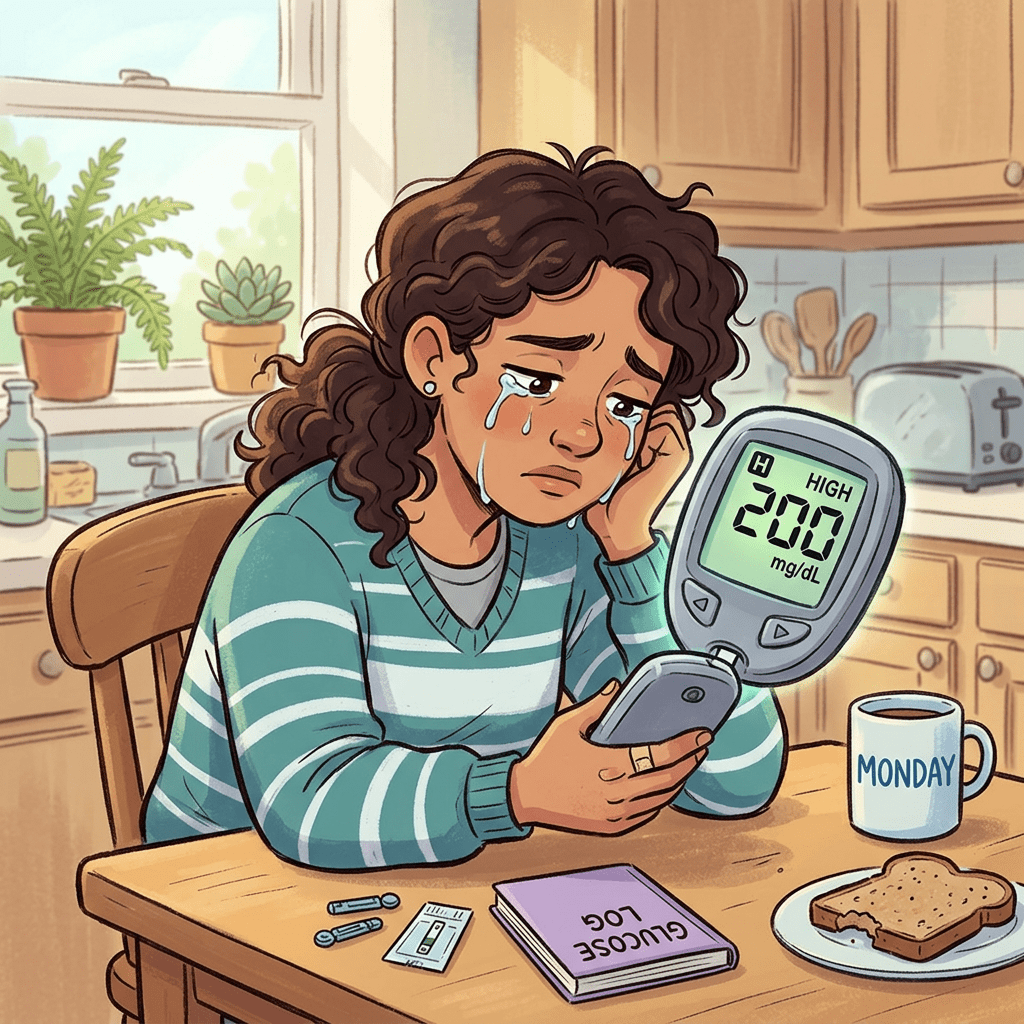
Why Your Morning Glucose Is High
The post discusses the common issue of elevated morning glucose levels in individuals with Type 2 diabetes, which can occur despite not eating. This phenomenon, often linked to the dawn effect, may indicate insulin resistance or stress. Understanding these signs helps in managing diabetes more effectively without shame, promoting awareness and lifestyle adjustments.

