
The Hidden Stress-Blood Sugar Loop and How to Break It
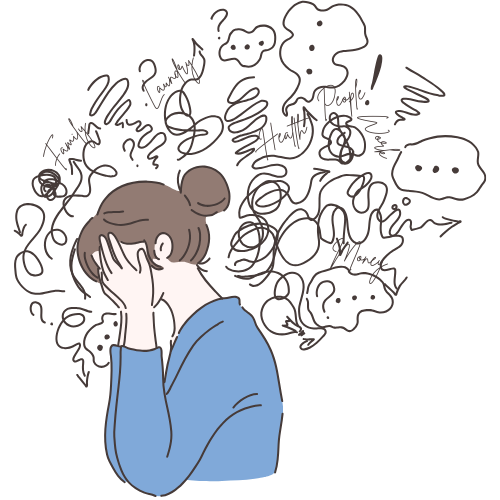
Answer: Trick question. They feed each other in a never-ending loop that keeps you stuck, cranky, and exhausted. Welcome to the Stress-Blood Sugar Feedback Loop—one of the sneakiest saboteurs of your health.
You don’t need a detox to break it. You need to understand it.
What Is the Stress-Blood Sugar Loop?
Here’s how it goes:
Something triggers stress—your boss’s tone, your kid’s forgotten lunch, your own inner critic.
Your body releases cortisol and adrenaline.
These hormones signal the liver to release glucose (sugar) into the bloodstream so you have energy to fight or flee.
But you’re not running from a bear—you’re sitting at your desk (we both know that sitting at your desk can be as stressful as running from a bear!) But stress is stress, that’s the point. That extra glucose due to stress stays in your blood.
High blood sugar causes insulin to spike. You crash. Feel sluggish, moody, and hungry.
And that starts the loop again.
Sources: American Diabetes Association; Yale Stress Center; NIH: Cortisol and Blood Glucose Regulation
How Stress Impacts Blood Sugar
Stress isn’t just emotional—it’s physiological. Your body doesn’t know the difference between tax season and a tiger attack. It just reacts.
Chronic stress raises baseline cortisol. Elevated cortisol keeps blood sugar high.
Your cells stop responding to insulin—aka insulin resistance.
You crave fast fuel to “fix” the fatigue—usually sugar or carbs.
Boom. You’re stuck in the loop.
How Blood Sugar Impacts Stress
And it works the other way, too. High blood sugar makes you feel more anxious, irritated, and foggy. You might even experience:
Brain fog, racing thoughts, jitters, short fuse and emotional reactivity. My family can attest to this. Unfortunately, it isn’t just us that suffers during spikes…those that know us best – run for the hills.
Glucose instability is a stressor on your nervous system.
Break the Loop with These 6 Science-Backed Interventions
Eat protein + fat first. Start meals with protein (eggs, fish, chicken, tofu) + healthy fat (avocado, olive oil). This prevents spikes that lead to crashes.
Move after meals. A 10-minute walk after eating can lower glucose levels by up to 30%.
Practice 4-7-8 breathing. Inhale for 4 seconds, hold for 7, exhale for 8. Calms cortisol and shifts you into rest-and-digest.
Start your day slow. Cortisol is highest in the morning. Avoid phone and email first thing. Hydrate, stretch, and nourish before chaos.
My blood sugar would shoot up 100 points in the first hour and a half I was awake-without eating. I literally woke up ready for war. Once I got my stress aka cortisol under control…no more issues.
Magnesium Glycinate at night helped immensely. Talk to your doctor about it. (Yes, that was my disclaimer!)
Snack smart. If you need a snack, go for a protein-fiber-fat combo. Almonds + string cheese. Hummus + cucumbers. Avoid naked carbs.
Name your stressor. Labeling your emotion (“I’m feeling overwhelmed”) reduces amygdala activation and decreases cortisol. Name it, change it, let it go.
Sources: Dr. Robert Lustig, UCSF; ADA guidelines; James Clear on habit loops and stress
The Soulful Reframe: It’s Not Your Fault, But It Is Your Opportunity
You’re not lazy. You’re not broken. You’re not weak.
You’re in a system—biological and cultural—that’s designed to fry your circuits. But now you know better. You can start making micro choices that regulate your nervous system and restore your blood sugar balance.
Bottom Line:
Stress spikes sugar. Sugar spikes stress. Breaking the loop doesn’t mean eliminating all stress—it means buffering it with conscious nourishment, movement, breath, and grace.
You don’t need to hustle your way to health. You need to exhale your way there.
Next up: your lunch break walk. Your pancreas says thanks in advance.
If you need support to help lower your stress levels, reach out. We’d love to be of service.




 Divine Disruption
Leave a comment